Build Polders Netherlands Easy Block of Cheese to Draw
Does it get more Dutch than a polder? Yes, kaas (cheese) maybe… But the great difference is thatpolderdoes not even know an English translation! Pretty Dutch then, right? One great example of apolderhas already been highlighted before: the Dutch provinceFlevolandis a hugePolder. Even though poldersare explained there shortly, a lot is left unexplained, and therefore this post is absolutely necessary!
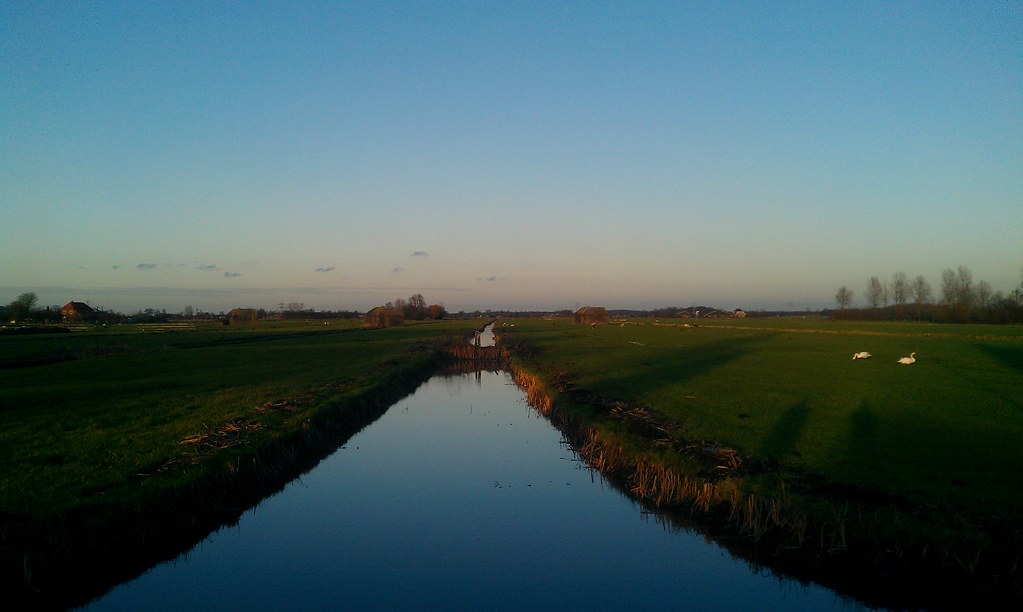
A polder (Image by Inyucho at Flickr.com under license CC BY 2.0)
What arepolders?
A polder is an area in which the water level can be managed, usingwaterkeringen(flood defenses). This usually means that the level of the water outside thepolderis higher than inside. By creating kunstwerken(cultural works), so by artificially surrounding a water area, one can pump the water out that is inside. This way, land is acquired that lies inside it. The big example of this in the Netherlands isFlevoland.But it has been done in many more places, which you can easily see if you compare maps from the Netherlands. On the left is a map that shows the country in 1600, and on the right is a map that shows the Netherlands today.

The Netherlands in 1600. (Image by Kees Bolle at http://home.kpn.nl/keesbolle/Kaarten.html)

The Netherlands today.
As you can see, large parts ofHollandhave been dried up by using thepoldermethod. EspeciallyNoord-Hollandhas gained a lot of land. Also inFriesland in the north, some parts were dried up. In the south,Zeeland, was largely dried up. It is clear that the Dutch made it a sport to dry up portions of water to acquire new land. In a country as small, densely populated and rich both in nature and culture as the Netherlands, it is easy to see why suchpolders were created.
As you might imagine, with more than 400 years of experience, the Dutch are leading when it comes to flood defense. This expertise came in very handy in rebuilding the flood defenses after the hurricanes in New Orleans in 2005.
There is a lot of vocabulary involved withpolders. There is a list below, with an English translation and a definition of what it is.
droogleggen –to drain
The whole idea behindpoldersis to drain water to use the land underneath. This is calleddroogleggenin Dutch, meaning the verbto drain.Droogleggingis drainage.
waterkering – flood defenses

An example of waterkering: the Oosterscheldekering in province Zeeland (Image by Raimond Spekking at Commons.wikimedia.org under license CC BY SA 4.0).
Waterkeringrefers to any structure, natural or man-made, that helps to prevent floods. To defend against floods is calledwater keren in Dutch, askerendoes not only mean to turn around, but alsoafweren(to block). So really, awaterkeringis a "water blocker".
gemaal– pumping station

A gemaal in Zoetermeer, South-Holland
Agemaalis simply an installation that brings water from a lower to a higher point. They run on diesel, for example. It keeps the water in apolderat a certain level. So these things are indispensable to keep thepolderdry!
poldermolen – polder mill

A poldermolen (Image by GerardM at Commons.wikimedia.org under license CC BY SA 3.0)
Apoldermolendoes the same thing as agemaal. It transports water from a lower to a higher point. The difference is the way it is done. In case of apoldermolen, it is an actual mill that helps to pump the water. This method was used in the 1600s, as moderngemalenwere not invented yet.
Sometimes,poldermolensare also calledwatermolens(water mills), but that is confusing, as awatermolenis normally a mill that runs on water, not wind.
spuisluis – drainage sluice

A spuisluis in Germany. (Image by Ra Boe at Commons.wikimedia.org under license CC BY SA 2.5)
Aspuisluis is a sluice that drains water or can be used as awaterkering. If there is too much water on one side, it can drain some of that water quickly. If there is too much water on the other side, it can be shut to keep the higher water out.
Spuisluiscomes from the verbspuien(to spew), as water is spewed out. It is also known as akeersluis, however, as it also functions as awaterkering. In Northern Netherlands (and parts of Northern Germany), such a sluice is also known as azijl, orziel/siel. Many place names come from this, such asDelfzijl.
Similar to aspuisluis, but often at a smaller scale, is aninlaatduiker (inlet culvert). It is a device that connects two waters as awaterkering.
Bothspuisluizenandinlaatduikersare used sometimes to run a lot water at once through a water, so that the force takes with it sand and dirt that accumulates.
stuw – weir

A very simple stuw (Image by Titico at Commons.wikimedia.org under license CC BY SA 2.5)
Stuwen, much likespuisluisenallow regulation of the water level by blocking it. Some weirs will still let through some water, others will keep it completely shut.Stuwdammen(dams) work this way. You can derive that already from the Dutch word, which includes the wordstuw. Obviously,poldersneedstuwenin order for them to stay dry!
I hope this post helped you understand better whatpoldersare, and if you have any questions, suggestions or otherwise, leave them in the comments below or send us a message on Facebook by clicking this button:

hendersonmysecutage.blogspot.com
Source: https://blogs.transparent.com/dutch/what-are-polders/
0 Response to "Build Polders Netherlands Easy Block of Cheese to Draw"
Post a Comment